
Staffing Challenges in Mental Health: Recruiting Solutions That Work

Finding and keeping qualified staff in behavioral health feels harder than ever for hospitals, treatment centers, and clinics. Organizations face high turnover, rising demand, and a narrow candidate pool while trying to maintain quality care and regulatory compliance. This article explores staffing challenges in mental health, why they persist, and practical recruiting and retention strategies you can use today.
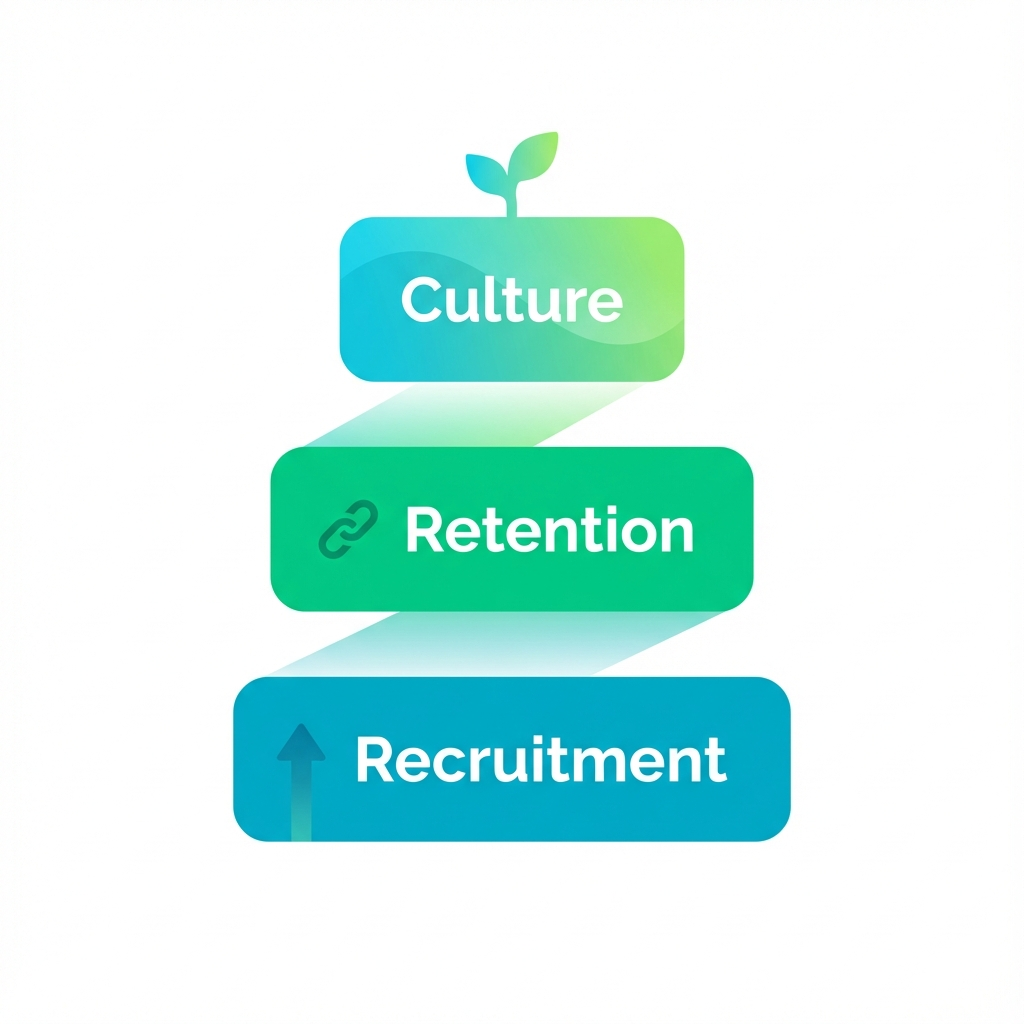
Why staffing shortages are so persistent
Several factors converge to create chronic staffing problems in mental health. Understanding these drivers helps you prioritize interventions rather than patching symptoms.
1. Supply and demand imbalance
The need for behavioral health services has grown faster than the workforce. Fewer clinicians enter specialty fields like addiction medicine or child and adolescent psychiatry, creating long lead times to hire. National workforce summaries and workforce planners note steady demand growth in outpatient and inpatient settings.
2. Burnout and turnover
High caseloads, documentation burdens, and emotionally intense work push clinicians toward burnout. When experienced clinicians leave, the institutional knowledge and continuity of care lost are hard to replace.
3. Competitive market dynamics
Organizations compete for the same limited pool of psychiatrists, nurse practitioners, licensed therapists, and program leaders. Private payers, telehealth startups, and hospitals all draw from the same talent pipeline.
4. Geographic and licensure barriers
Rural and underserved regions face extra obstacles. Licensure variation between states and slow credentialing processes delay placements and reduce candidate interest.
5. Misaligned hiring processes
Lengthy or opaque hiring timelines, poor role definitions, and one-size-fits-all job descriptions deter top candidates. Culture and mission misalignment also lead to short tenures.
High-impact solutions for recruitment and retention
Not every solution fits every organization, but these strategies consistently move the needle for behavioral health employers.
Improve role clarity and compensation strategy
Write clear, realistic job descriptions that reflect day-to-day responsibilities and outcomes. Benchmark compensation against comparable providers and include total-reward messaging: sign-on bonuses, flexible scheduling, continuing education stipends, and loan repayment support.
Streamline hiring and credentialing
Reduce time-to-offer by simplifying interview stages and assigning one hiring lead. Speed up credentialing by dedicating staff or a vendor to manage references, state licensure verification, and hospital privileging.
Build a mission-driven recruitment brand
Clinicians want to work for organizations aligned with their values. Showcase patient stories, outcomes, and clinician career pathways. Use your website, employee testimonials, and community partnerships to stand out.
Leverage specialty recruiting partners
Working with experienced behavioral health recruiters accelerates access to passive candidates, confidential executive searches, and hard-to-fill clinical roles. Aspire Recruiting Partners focuses on Executive Leadership Recruiting, Clinical Recruitment, Operations & Support Staff Recruiting, and Sales & Marketing Recruiting, and can tailor searches to mission-fit candidates. Consider partnering for both high-impact leadership roles and ongoing clinical hiring needs.
Expand the candidate pipeline
Invest in relationships with training programs, residency coordinators, and local universities. Offer internships, externships, and paid clinical rotations. Consider hiring career-stage diverse candidates and providing robust onboarding and supervision to grow clinicians internally.
Use flexible staffing models
Blended staffing — combining full-time clinicians with per-diem staff, telehealth providers, and contract leadership — helps maintain service capacity while you recruit permanent hires.
Prioritize clinician well-being
Implement caseload caps, regular supervision, peer support groups, and administrative relief (e.g., scribes or documentation specialists). Retention improves when clinicians feel supported and valued.

Operational checklist for hiring managers
- Audit open roles and time-to-fill, prioritize critical vacancies.
- Standardize interview scorecards focused on clinical competency and cultural fit.
- Create a 60-90 day onboarding and mentorship plan for new clinicians.
- Budget for market-competitive compensation and recruitment marketing.
- Track retention metrics and exit interview themes, then adjust processes.
When to use a recruiting partner
If you are replacing a key leader, need confidential executive search, or have repeated hard-to-fill clinical roles, a specialized recruiter speeds the process and improves candidate quality. A partner can provide nationwide reach and candidate vetting while preserving confidentiality for sensitive leadership searches.
FAQs
What are the most common staffing challenges in mental health organizations?
Common issues include long time-to-hire, clinician burnout, limited candidate supply for specialized roles, inconsistent credentialing processes, and competition from other employers.
How long does it typically take to hire mental health clinicians?
Time-to-hire varies by role, but specialized clinicians and leadership can take several months. Streamlining interviews and credentialing can reduce that timeline significantly.
Can telehealth help solve staffing shortages?
Yes, telehealth expands the candidate pool across geography and can support rural programs, partial coverage models, and specialty consults. It is not a full substitute for local clinical presence where in-person care is essential.
What roles are hardest to fill in behavioral health?
Psychiatrists, child and adolescent psychiatrists, nurse practitioners with psychiatric specialization, addiction medicine physicians, and experienced program directors are often hardest to recruit.
Should we focus on recruiting or retention first?
Both matter, but retention provides the fastest ROI. Stabilizing your current workforce reduces churn costs while you recruit strategically for growth and replacement positions.
How can Aspire Recruiting Partners help with executive or clinical searches?
Aspire provides targeted sourcing, confidential executive search, and mission-aligned candidate screening across leadership, clinical, operations, and business development roles. Visit our Executive Leadership Recruiting and Clinical Recruitment pages to learn more.
Ready to solve your staffing gaps?
If you need faster hires, confidential executive searches, or a strategic partner who knows behavioral health, reach out to Aspire Recruiting Partners. Our nationwide network and 25-plus years of experience help organizations hire mission-aligned leaders and clinicians. Contact us at https://aspirerecruiters.com/ or call (602) 751-8828.
Conclusion
Staffing challenges in mental health are complex but solvable with a strategic mix of improved hiring operations, clinician support, flexible staffing, and targeted recruitment partnerships. Focus on clarity, speed, and culture, and you will see measurable improvements in fill rates and retention.
About Aspire Recruiting Partners
Aspire Recruiting Partners is a Scottsdale, Arizona based recruiting firm specializing in mental health and behavioral health talent acquisition nationwide. We work with treatment centers, healthcare organizations, and behavioral health providers to place high-quality leaders, clinicians, and support staff who align with each organization’s mission and culture.
Our team provides full-spectrum recruiting services, including Executive Leadership Recruiting, Clinical Recruitment, Operations & Support Staff Recruiting, and Sales & Marketing Recruiting.
Whether you’re scaling your organization, replacing key leadership, or building a stronger clinical team, Aspire Recruiting Partners delivers strategic recruiting solutions tailored to the behavioral healthcare industry.
Get in Touch
📞 Call (602) 751-8828
📧 Email [email protected]
🔗 Contact Aspire Recruiting Partners: https://aspirerecruiters.com/contact-us/
External resources: Substance Abuse and Mental Health Services Administration and Bureau of Labor Statistics for workforce and industry context.